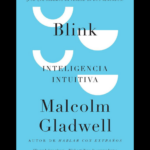
5 Key Lessons from Blink by Malcolm Gladwell
What Is the Core Message of Blink?
At its core, Blink by Malcolm Gladwell teaches us about the incredible power of rapid cognition. In just a blink, or a matter of seconds, our brains can form judgments that are often astonishingly accurate. This ability, which Gladwell calls “thin-slicing,” allows us to see patterns based on minimal information. Understanding this phenomenon is vital in our fast-paced lives, where quick decision-making is essential.
How Can You Trust Your First Impressions?
One central lesson from Blink is the significance of trusting your first impressions. Gladwell presents examples of experts who make split-second decisions based on their intuition. However, it’s important to differentiate between valid instincts and those influenced by biases. Recognizing when to trust your gut can lead to better outcomes, especially in situations with time constraints.
Action Step: Reflect on a recent decision you made based on your first impression. Analyze the outcome. Did it prove to be a good decision? Learning to trust your instincts can often lead you in the right direction.
What Role Do Biases Play in Your Decisions?
Gladwell highlights that while our instincts can be powerful, they are also subject to biases that affect our perception. Whether it’s race, gender, or socio-economic factors, biases can skew our understanding and lead us astray. By recognizing these biases, you can work towards making fairer, more accurate decisions.
Action Step: Take time to identify any biases that might affect your judgments. When making decisions, consciously counteract these biases to improve the fairness and accuracy of your choices.
Why Is Too Much Information Detrimental?
In Blink, Gladwell brings to light the concept of “information overload.” He explains that having too much information can cloud judgment and paralyze decision-making. Instead of aiding us, excessive data can lead to confusion and hesitate in situations when we need to act quickly.
Action Step: When faced with a decision, limit your options to the most relevant and critical information. This will help streamline your thought process and make room for more intuitive judgments.
How Do Experts Use Intuition Effectively?
Blink discusses how trained professionals, such as firefighters or art appraisers, rely on their deep-seated intuition developed through years of experience. Their ability to make quick decisions comes from their extensive knowledge, allowing them to recognize patterns that most of us wouldn’t see.
Action Step: Cultivate your expertise in your chosen field. As you gain more experience, trust your developing intuition, and don’t shy away from making quick decisions.
What Are Practical Applications of Thin-Slicing?
Understanding thin-slicing can profoundly impact various aspects of your life. Whether you are a student deciding how to tackle an exam, or an entrepreneur evaluating potential business partners, applying rapid cognition can help you make confident choices efficiently.
Action Step: Practice thin-slicing by making rapid assessments in low-stakes environments. Gradually, you will feel more comfortable applying this skill in critical situations.
Who Should Read This?
Blink is ideal for students, entrepreneurs, professionals, and anyone looking to enhance their decision-making skills. Whether you are negotiating a business deal or navigating daily life, the insights from Blink can empower you to think faster and more strategically.