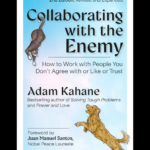
6 Key Lessons from Collaborating With The Enemy by Adam Kahane
What Does It Mean to Collaborate with Opponents?
In the world of business and personal relationships, conflict is often seen as a negative force. However, Adam Kahane in his book Collaborating With The Enemy teaches us that conflict can actually be a catalyst for collaboration and innovative solutions. Rather than avoiding difficult partners or situations, it is more effective to engage with them directly. This shift in mindset sets the foundation for productive discussions that can lead to mutually beneficial outcomes.
Practical Action Step: Reflect on a conflict you are currently facing. Instead of viewing it as a problem, consider how it might lead to new opportunities. Create a list of potential positive outcomes that could emerge if you approach the situation collaboratively.
How Can You Turn Conflict into Opportunity?
Kahane emphasizes that every conflict holds the potential for transformation. Instead of getting trapped in the cycle of blame or defensiveness, he encourages us to recognize the underlying needs and concerns of all parties involved. This approach fosters understanding and empathy, which are critical for turning adversarial relationships into productive partnerships.
Practical Action Step: Identify the core interests of the people involved in your conflict. Write down their goals and concerns. This exercise helps you view the situation from their perspective, paving the way for aligning interests and finding solutions.
What Are the Key Elements of Building Trust?
Trust is the bedrock of any collaboration, especially in high-stakes environments. Adam Kahane outlines specific strategies for building trust amidst tension. By practicing transparency, active listening, and showing consistency in your actions, you can foster an atmosphere where all parties feel secure in sharing their ideas and concerns.
Practical Action Step: Practice active listening during your next conversation. Instead of formulating your response while the other person is speaking, focus entirely on what they are saying. This demonstrates respect and can significantly increase trust between parties.
How Do You Make Collective Decisions Under Uncertainty?
One of the most challenging aspects of collaboration is making decisions when information is incomplete or conflicting. Kahane suggests using a framework that encourages inclusive participation and collective problem-solving. By gathering diverse perspectives and facilitating open dialogue, teams can navigate uncertainties more effectively.
Practical Action Step: In your next team meeting, structure a brainstorming session that includes everyone’s input. Encourage team members to share their views on the decision at hand, without fear of judgment. This inclusive approach leads to more creative and resilient solutions.
How Can You Navigate Political and Social Obstacles?
Kahane’s insights point out that many obstacles in collaboration arise from political and social dynamics. Identifying power structures and acknowledging different stakeholder interests can significantly enhance your ability to work together effectively. Understanding the landscape of influence allows you to tailor your approach for better engagement.
Practical Action Step: Create a stakeholder analysis chart for your project. Identify the key players in your environment, their interests, and potential influences on your goals. This preparation will equip you to navigate complex dynamics more confidently.
What Is the Importance of Leading with Empathy?
At the heart of successful collaboration is empathy. Kahane discusses how empathetic leadership can transform conflicts into collaborations by making individuals feel valued and understood. This emotional intelligence fosters an environment where creativity can thrive, ultimately leading to better results.
Practical Action Step: Start your interactions by acknowledging the feelings and perspectives of others. A simple phrase like, “I understand this situation is challenging for you,” can open the door for more constructive conversations.
Who Should Read This?
This book is perfect for anyone facing complex challenges in workplaces or everyday life. Business leaders, team managers, students, and even individuals wanting to improve their relationships can benefit from Kahane’s actionable insights. If you are seeking to manage conflicts or harness the potential of collaborating with difficult people, then Collaborating With The Enemy is a must-read.
Get this book
Collaborating With The Enemy
$17.99 Original price was: $17.99.$15.99Current price is: $15.99.