6 Key Lessons from Influence by Robert B. Cialdini
What is the principle of Reciprocity?
Reciprocity refers to the social norm where we feel obliged to return favors and kindness. When someone does something for us, we feel a strong pull to do something in return. This principle can be incredibly powerful in negotiations and interpersonal relationships.
To apply this principle, start by being generous in your interactions. Offer help, support, or valuable information to others without expecting anything in return. This generosity can foster goodwill, and down the line, you may find that others are more inclined to help you when needed.
How does Commitment and Consistency work?
The principle of Commitment and Consistency means that once people commit to something, they are more likely to follow through with it in order to remain consistent with their previous actions. This can be as simple as agreeing to small requests that lead to a larger commitment later.
To leverage this principle, encourage small commitments from people. For instance, if you are in sales, ask your potential clients if they would be interested in a free sample or a trial period of your product. By getting them to agree to something small, they are more likely to say yes to larger requests later.
Why is Social Proof important?
Social Proof is the psychological phenomenon where people look to others for guidance when deciding on their actions, especially in situations of uncertainty. This principle can be seen in everyday life; when we see others attending a particular event or purchasing a product, we are often more likely to follow suit.
To effectively use Social Proof, showcase testimonials and case studies when promoting your services or products. Make sure potential customers see how others have benefited from what you offer, as this can sway their decision-making process.
How does Authority influence decisions?
The Authority principle suggests that people are more likely to follow the advice of someone who is recognized as an expert. Whether in a workplace presentation or when seeking guidance, the credibility of the person providing information can significantly impact decisions.
You can cultivate this principle by establishing your expertise in your field. Share your knowledge through articles, workshops, or speaking engagements. The more you demonstrate your authority, people will be more inclined to trust and follow your lead.
Why is Liking a key factor in persuasion?
Liking refers to our tendency to agree with and be influenced by people we find likable. Factors such as physical attractiveness, similarities, and flattery can enhance this principle in our daily interactions.
To make the most of this principle, focus on building rapport with others. Find common interests, be warm and approachable, and show genuine interest in others. This will make people more likely to listen to your ideas and agree with your requests.
How does Scarcity affect decision-making?
The Scarcity principle highlights that people place a higher value on opportunities that seem limited or rare. This can be particularly effective in marketing and sales where urgency can prompt quicker decision-making.
To utilize Scarcity, create a sense of urgency around your offers. You might consider limited-time promotions or exclusive opportunities, which can motivate potential customers to act quickly, fearing they might miss out.
Get this book
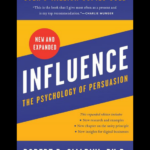
Influence by Robert B. Cialdini
16000 CFA Original price was: 16000 CFA.14500 CFACurrent price is: 14500 CFA. VAT Exclusive