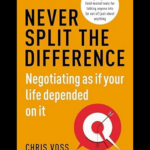
6 Key Lessons from Never Split The Difference by Chris Voss
What Makes Negotiation About More Than Just Logic?
In Never Split The Difference, Chris Voss emphasizes that effective negotiation is driven by emotional intelligence and understanding human behavior, rather than simply by logical reasoning. While many negotiations focus on numbers and data, Voss argues that the emotional environment can significantly influence outcomes.
Understanding your counterpart’s feelings and concerns allows you to navigate difficult conversations with skill. This involves recognizing body language, tone of voice, and emotional cues, which can inform your strategy and response during the negotiation.
Practical Action Step: Before entering your next negotiation, take some time to research your counterpart. Consider their possible motivations and emotional triggers. Prepare to address their concerns, which will help set a collaborative tone.
How Can Tactical Empathy Build Trust?
Tactical empathy is a key concept in Voss’s negotiation approach. It involves understanding and acknowledging the emotions of others without compromising your own position. By practicing tactical empathy, you can quickly build trust with your counterpart, making them more open to reaching an agreement.
Voss explains that by validating another person’s feelings, you show that you are listening and respect their perspective. This mechanism can break down defenses and allow for smoother negotiations, whether in business contexts or personal discussions.
Practical Action Step: During your next negotiation, consciously listen and reflect back what the other person is saying. Use phrases like, “It sounds like you feel…” to acknowledge their emotions, creating a more cooperative atmosphere.
What Role Do Questions Play in Negotiation?
As Voss points out, the right questions can be powerful tools in negotiations. Open-ended questions encourage dialogue and foster a collaborative environment. They also help uncover the underlying issues that may not be immediately apparent, giving you insights into how to approach the negotiation.
Additionally, stopping to ask clarifying or probing questions can make the counterpart feel heard, which builds rapport. This way, the negotiation moves from competing positions to finding common ground.
Practical Action Step: Develop a list of open-ended questions relevant to your negotiation. Try to ask at least one during your discussion to encourage information exchange and build a connection.
How Can You Turn ‘No’ Into an Opportunity?
A surprising insight from Never Split The Difference is that a ‘No’ can actually be beneficial. Voss argues that hearing ‘No’ can contribute to a healthier negotiation because it provides clarity about the counterpart’s position. Instead of viewing ‘No’ as a rejection, consider it an opportunity to explore further and negotiate better terms.
When someone says ‘No,’ it can open the door for more honest dialogue. It allows both parties to express concerns and engage in problem-solving, rather than merely concessions.
Practical Action Step: When faced with a ‘No,’ instead of becoming defensive, ask, “What about this doesn’t work for you?” This encourages deeper understanding and potentially leads to a solution that suits both sides.
What Are Common Negotiation Pitfalls to Avoid?
Voss highlights specific pitfalls that often derail negotiations, such as being overly aggressive or failing to listen. Many people come into negotiations with the mindset of winning at all costs, which can lead to tension and conflict. Instead, it’s crucial to maintain a collaborative mindset and remain open to compromise.
Another common mistake is making assumptions about the other party’s stance without verifying. Assumptions can lead to missed opportunities for collaboration and mutual benefit.
Practical Action Step: Before negotiating, make a list of potential pitfalls you might encounter and strategize on how to avoid them. Self-awareness and preparation can help you stay focused and open-minded during the discussion.
How to Handle Pressure During Negotiations?
Pressure is often a part of any negotiation. Voss discusses various techniques to handle it effectively, including remaining calm and composed, even when emotions run high. This approach allows you to think more clearly and respond appropriately instead of reacting impulsively.
Practicing deep breathing or taking a moment to pause can help mitigate the stress of high-pressure situations. Your ability to maintain your composure will enable you to negotiate more effectively.
Practical Action Step: Before entering a high-pressure negotiation, practice deep breathing exercises. Additionally, mentally visualize successful negotiation scenarios to boost your confidence.
Conclusion
In summary, Never Split The Difference by Chris Voss offers profound insights into the art of negotiation. By focusing on emotional intelligence, tactical empathy, and effective questioning, you can achieve better outcomes in various aspects of life. Enhance your skills by applying these lessons, and watch your ability to negotiate transform.
Who Should Read This?
This blog post is perfect for entrepreneurs, professionals, salespeople, leaders, and anyone looking to strengthen their communication skills and approach negotiations with confidence. If you want to achieve better results and stop settling for average outcomes, dive into Never Split The Difference now!
Get this book
Never Split The Difference
$21.99 Original price was: $21.99.$19.99Current price is: $19.99.