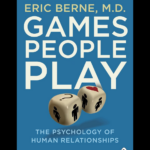
6 Key Lessons from Games People Play by Eric Berne
What Are the Psychological Games We Play?
In his groundbreaking book, Games People Play, Eric Berne explores the psychological games that dictate our interactions with others. Understanding these games helps us to recognize unhealthy patterns in relationships. Berne identifies several common types of games that people engage in, often unconsciously, to navigate their social environments.
By becoming aware of these behaviors, you gain the power to change your approach to relationships and foster healthier dynamics. Recognizing these patterns is the first step toward personal growth.
How Can You Identify Destructive Patterns in Relationships?
One of the key lessons from Games People Play is the importance of identifying destructive patterns in our interactions. Many individuals fall into routines of behavior that create conflict and misunderstanding. Berne offers tools for recognizing these patterns, allowing you to take steps to either mitigate or completely avoid them.
This recognition not only improves your relationships but also enhances your personal well-being. It encourages deeper self-reflection on your role in these dynamics. As a practical action, consider journaling about your recent interactions to identify any recurring themes or negative behaviors.
How Can You Enhance Communication and Conflict Resolution?
Effective communication is foundational to healthy relationships, both personally and professionally. Berne emphasizes that many misunderstandings stem from failed communication. He provides practical techniques for improving dialogue, enhancing clarity, and resolving conflicts.
For instance, practicing active listening can make a huge difference; it ensures that you understand the other person’s perspective before responding. A simple action step is to reflect on a recent disagreement and analyze how communication could have been improved.
What Strategies Foster Trust in Relationships?
According to Berne, trust is a cornerstone of any healthy relationship. In Games People Play, he offers insightful tactics to cultivate trust among friends, family, and colleagues. This involves being transparent, consistent, and showing vulnerability.
Building trust takes time but can be initiated through small, consistent actions. A practical step would be to share something personal with someone you wish to deepen your relationship with, thereby encouraging openness in return.
How Can You Recognize Your Own Behavior Patterns?
A critical lesson from Eric Berne’s work is developing self-awareness. In order to interact positively with others, you first need to understand your own behavior patterns. Berne encourages readers to look inward and assess how their behaviors might affect those around them.
Cultivating self-awareness can lead to personal growth and better interpersonal dynamics. Begin by dedicating a few minutes each day to reflect on your interactions—what worked, what didn’t, and why.
Why Is Emotional Intelligence Important?
Emotional intelligence is a significant theme in Games People Play. Berne clarifies that it’s not just about understanding others but also about managing your emotions effectively. This skill can lead to more satisfying relationships and better decision-making.
To develop emotional intelligence, practice mindfulness techniques such as deep breathing or meditation. These can help you respond to your emotions more effectively rather than react impulsively to situations.
Who Should Read Games People Play?
This book is ideal for students studying psychology, professionals seeking better workplace interactions, and anyone aiming to improve personal relationships. It offers insights applicable across various life stages and social scenarios.
Get this book
Games People Play
$17.99 Original price was: $17.99.$14.99Current price is: $14.99.