Read & Listen Bundle
Ebook + Audiobook together · Save 17%
$4.99 USD $5.98 USD
Best value: switch between browser reading and chaptered audiobook listening in one KamerBooks library.

Fiction
Ebook + Audiobook together · Save 17%
Best value: switch between browser reading and chaptered audiobook listening in one KamerBooks library.
Instant delivery & trusted checkout: Pay with MTN Mobile Money or Orange Money (XAF), or PayPal & Card (USD). Every paid digital edition is backed by our 7-day satisfaction guarantee.
Displayed prices in USD are estimates when converted. Checkout shows the exact charge amount and currency before you pay.
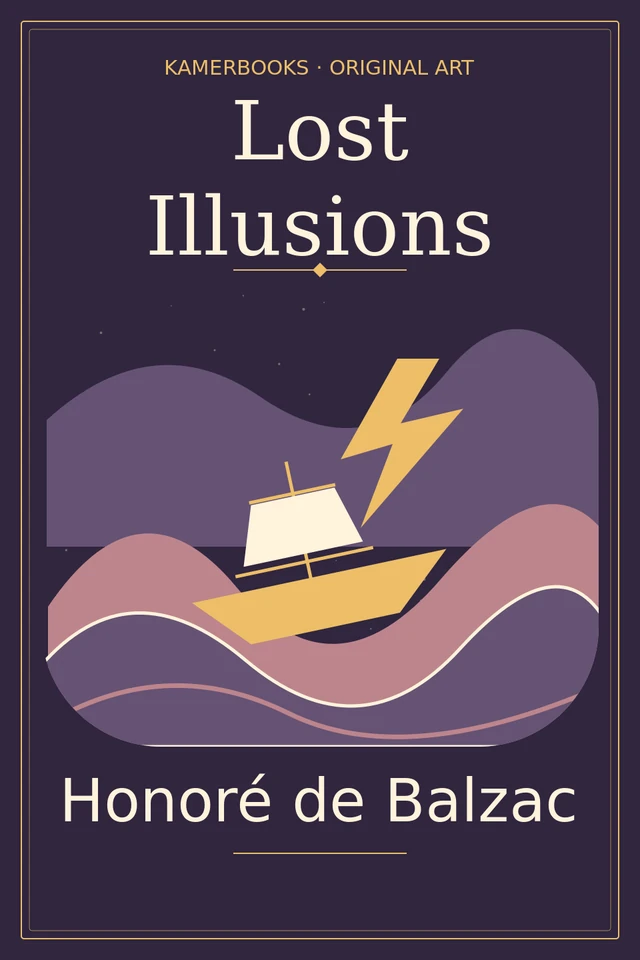
(Translated by Ellen Marriage.) Read in English by Bruce Pirie A Distinguished Provincial at Paris (Un grand homme de province à Paris, 1839) is the second book in Balzac’s Lost Illusions trilogy, which is part of his sweeping set of novels collectively titled La Comédie Humaine. The story is set in post-Napoleonic France, when the new bourgeoisie was jostling for position alongside the old aristocracy. In the first volume of the trilogy (Two Poets, 1837), we met Lucien Chardon, an aspiring poet who feels stymied by the pettiness of provincial life. In the present volume, Lucien, now using the more aristocratic-sounding surname "de Rubempré," leaves behind his family in order to seek fame and fortune in the literary world of Paris. He is tested by challenges that are literary, social, financial, and ethical. Balzac’s work was hugely influential in the development of realism in fiction. The Lost Illusions trilogy is one of his greatest achievements, and is named in the reference work 1001 Books You Must Read Before You Die. The final volume in the trilogy is Ève and David (1843). -.
Lost Illusions, translated by Ellen Marriage, is the second volume in Honoré de Balzac's Lost Illusions trilogy and part of his vast series La Comédie Humaine. The story follows Lucien Chardon, now known as Lucien de Rubempré, as he leaves his provincial life to seek success in Paris.
Set in post-Napoleonic France, the novel explores the intersection of the rising bourgeoisie and the old aristocracy. Lucien faces various challenges as he strives for literary fame, including navigating social hierarchies, managing financial pressures, and confronting ethical dilemmas.
Balzac's work, including Lost Illusions, was instrumental in shaping the realist fiction genre, focusing on detailed and accurate depictions of everyday life.
The novel provides insight into the social dynamics of post-Napoleonic France, highlighting the tensions between the emerging bourgeoisie and the established aristocracy.
Lucien's journey illustrates the challenges faced by aspiring writers in a competitive literary world, including the struggle for fame, financial stability, and moral integrity.
Through Lucien's experiences, Balzac explores themes of identity, ambition, and the consequences of one's choices in a rapidly changing society.
The novel is set against the backdrop of post-Napoleonic France, offering a glimpse into the cultural, social, and political landscape of the time.
Lost Illusions follows Lucien Chardon as he navigates the literary world of Paris, seeking fame and fortune while facing various challenges.
The author is Honoré de Balzac, a prominent French novelist known for his contributions to the realist fiction genre.
Lost Illusions is part of Balzac's Lost Illusions trilogy and his larger series, La Comédie Humaine.
The original publication of A Distinguished Provincial at Paris, which is Lost Illusions, was in 1839.
Yes, Lost Illusions remains a significant work in literary canon, included in lists such as 1001 Books You Must Read Before You Die, ensuring its continued relevance and readership.
Topics
Sign in to track this book as Want to Read, Reading, or Read.Sign in

Similar book

Similar book
Similar book

Similar book

Similar book

Similar book

Similar book

Similar book
Reader reviews
Sign in after purchasing this book from KamerBooks to leave a verified review. Sign in
No verified reviews yet. Purchased readers will be able to leave the first one.