Read & Listen Bundle
Ebook + Audiobook together · Save 17%
$4.99 USD $5.98 USD
Best value: switch between browser reading and chaptered audiobook listening in one KamerBooks library.

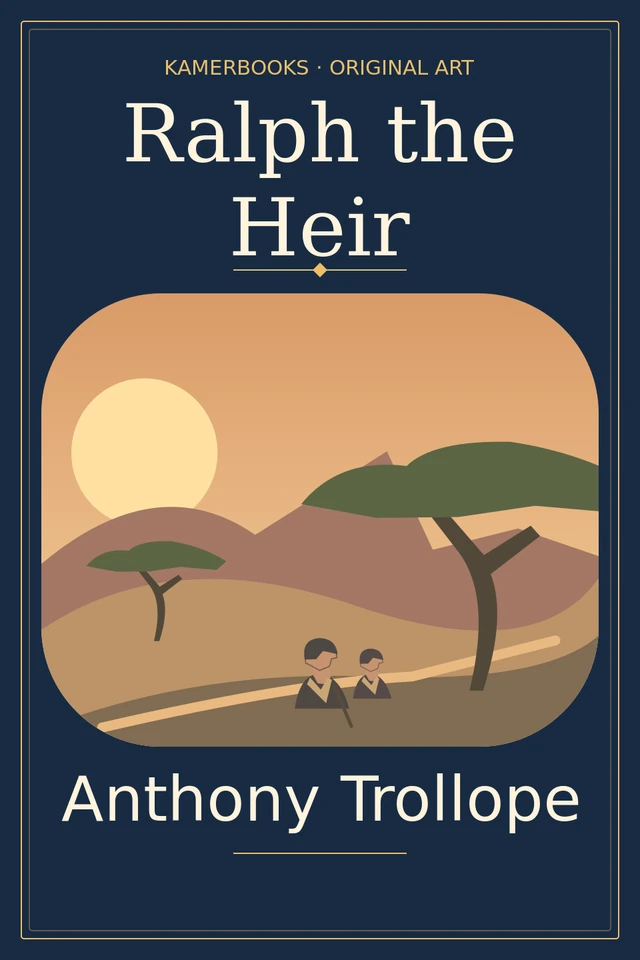
Fiction
Ebook + Audiobook together · Save 17%
Best value: switch between browser reading and chaptered audiobook listening in one KamerBooks library.
Instant delivery & trusted checkout: Pay with MTN Mobile Money or Orange Money (XAF), or PayPal & Card (USD). Every paid digital edition is backed by our 7-day satisfaction guarantee.
Displayed prices in USD are estimates when converted. Checkout shows the exact charge amount and currency before you pay.
As usual, Trollope creates a nice variety of characters of different English classes, sentiments and positions. The primary themes are the inheritance of property, extravagance or reason in the spending of assets, the mating of young people, and the electoral practices of the time. The election chapters are based on Trollope's own experiences when he ran for Parliament. There are, of course, many subplots which allow Trollope to express, through dialog, his opinions about greed, snobbery, work ethics and dandyism. Trollope probably regretted the duplicative naming of his characters after a while; we have two Gregory Newtons, uncle (and present Squire of Newton) and one of his nephews. Then there are several Ralphs: the (deceased) father, Ralph his son (the heir), and Ralph (not the heir) the son of the uncle Gregory! As they appear, Trollope has to interject "not the heir", or "the other Ralph". Ralph the heir is an extravagant, easy living young man who has spent himself into debt, and is faced with having to either sell his right to the family property, or marrying a wealthy tradesman's (a breeches maker cutely named Mr. Neefit) daughter.
Anthony Trollope's Ralph the Heir presents a cast of characters from various English classes, delving into topics such as property inheritance, financial prudence, and the social conventions of the time. The novel is informed by Trollope's own experiences, particularly his time as a candidate for Parliament, which is reflected in the electoral chapters.
The story centers around Ralph, the heir to the family property, who has squandered his resources and now faces a difficult decision: sell his inheritance or marry the daughter of a wealthy breeches maker, Mr. Neefit. Throughout the novel, Trollope uses subplots to express his views on greed, snobbery, work ethics, and dandyism through the characters' dialogues.
The novel explores the complexities of inheriting property and the responsibilities that come with it, as seen through Ralph's struggles with his family's estate.
Trollope examines the social hierarchies of 19th-century England, showcasing characters from different classes and their interactions, sentiments, and positions.
Ralph's extravagant lifestyle and subsequent debt serve as a backdrop for Trollope's commentary on financial responsibility and the consequences of reckless spending.
The novel highlights the role of marriage in securing social standing and financial stability, as Ralph considers marrying Mr. Neefit's daughter to alleviate his financial woes.
Trollope draws from his own experiences as a parliamentary candidate to depict the electoral processes of the time, offering insights into the politics and corruption of the era.
The novel follows Ralph, the heir to a family property, as he navigates financial difficulties and must decide between selling his inheritance or marrying a wealthy tradesman's daughter.
Trollope examines themes such as inheritance, extravagance, social class, marriage, and electoral practices, offering commentary on the social conventions and politics of his time.
Yes, the novel draws from Trollope's own experiences as a candidate for Parliament, which is reflected in the electoral chapters.
Readers can expect a diverse cast of characters from various English classes, with complex personalities and motivations, as well as Trollope's characteristic wit and social commentary.
While the novel is rooted in 19th-century England, its themes of financial responsibility, social class, and the complexities of inheritance remain relevant to contemporary readers.
Topics
Sign in to track this book as Want to Read, Reading, or Read.Sign in

Similar book

Similar book
Similar book

Similar book

Similar book

Similar book

Similar book

Similar book
Reader reviews
Sign in after purchasing this book from KamerBooks to leave a verified review. Sign in
No verified reviews yet. Purchased readers will be able to leave the first one.